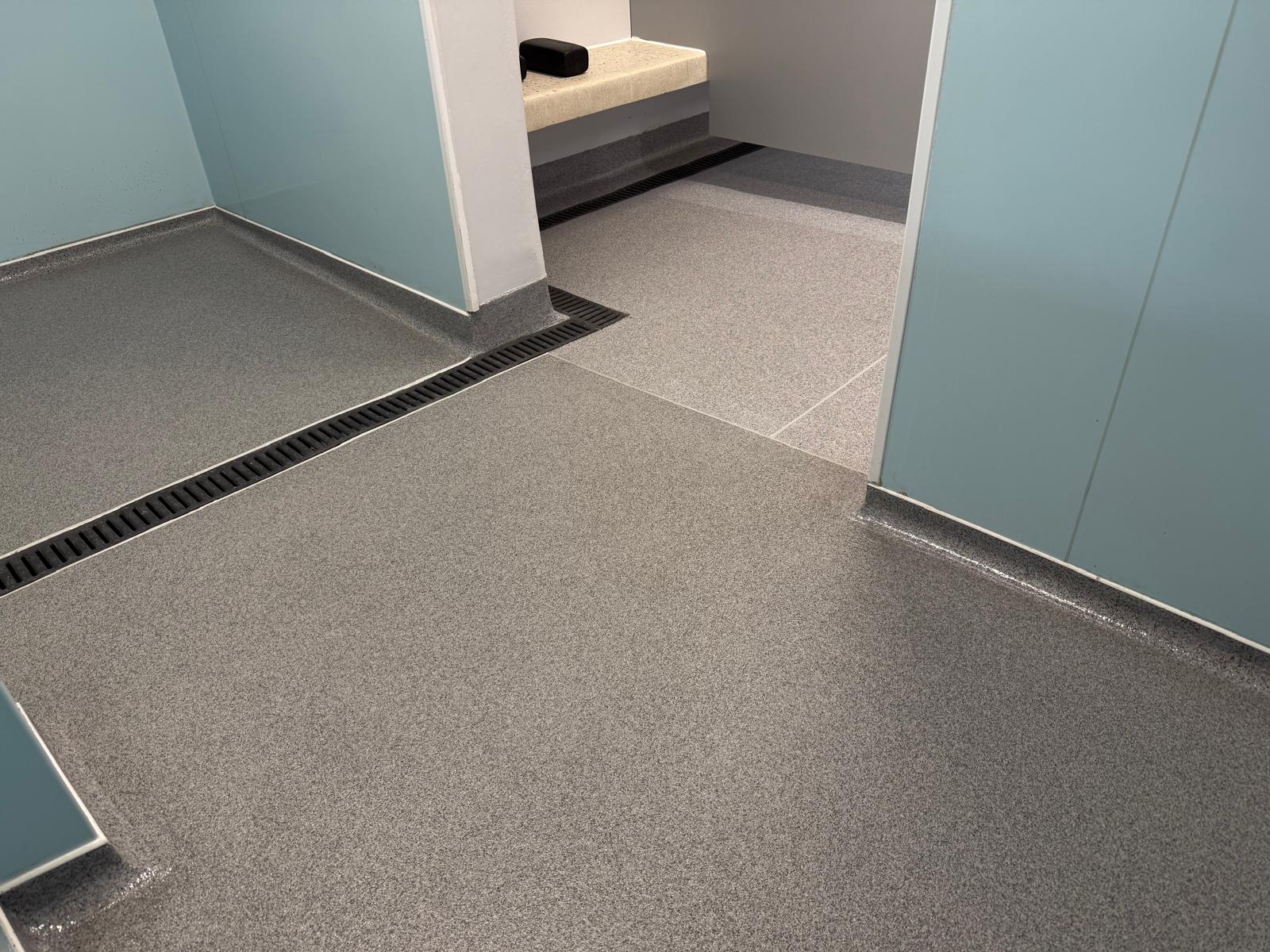

Selecting the right flooring for a healthcare environment is about far more than aesthetics. In hospitals, clinics, care homes and laboratories, flooring must meet strict functional and hygiene standards to support safety and infection control, as well as meet operational efficiency standards. With a wide range of healthcare flooring solutions available, choosing the right system for your facility's unique needs requires a deep understanding of both performance and compliance demands.
Let’s explore what you need to consider when evaluating flooring in healthcare facilities, and how to make informed decisions based on your environment, users and regulatory responsibilities.

1. Understanding Healthcare Flooring Requirements
At the core of any healthcare project is a clear set of flooring requirements. These typically include:
-
Hygiene and Infection Control: Floors must be easy to clean and resist microbial growth. Seamless, non-porous materials like resin are commonly used for this reason.
-
Slip Resistance: Safety is critical in healthcare settings. Anti-slip surfaces help prevent falls, especially in wet areas like bathrooms or surgical prep zones.
-
Durability: High foot traffic, rolling equipment and heavy loads require flooring that won’t wear down quickly or lose integrity.
-
Chemical Resistance: Spills of disinfectants, bodily fluids and medicines should not degrade the surface.
-
Acoustic Performance: Reducing noise levels improves patient comfort and concentration for staff.
-
Comfort and Ergonomics: In long-shift environments, flooring should offer some resilience underfoot to reduce fatigue.
Each department may have different specifications. The key is to match the flooring product to the specific use case.
2. Types Of Healthcare Flooring Solutions
There is no one-size-fits-all approach. Different healthcare flooring solutions offer unique advantages:
-
Epoxy and Resin Flooring: Ideal for surgical rooms, labs and cleanrooms where hygiene, chemical resistance and seamlessness are priorities.
-
Slip-Resistant Resin Flooring: Essential for improving safety for patients and staff by providing a stable surface and preventing accidents, even with spillages.
-
Polyurethane Resin: A top option known for its excellent slip resistance and availability in various colors for floor demarcation and zoning.
-
Anti-Static Flooring: Protects sensitive electronic equipment from static discharge and damage by preventing charge build-up or facilitating its safe release.
The best approach is often a combination of materials tailored to each area’s purpose.
3. Key Considerations For Decision-Making
When selecting flooring in healthcare facilities, decision-makers should evaluate several key factors:
-
Compliance with Health Regulations: Ensure products meet local and international healthcare standards for safety and hygiene.
-
Ease of Maintenance: Choose flooring that doesn’t require complex or costly cleaning procedures.
-
Installation Disruption: In occupied facilities, consider flooring systems with fast installation and curing times to minimise disruption.
-
Lifecycle Cost: Look beyond the initial cost. A higher upfront investment in durable flooring may save money on repairs and replacements in the long term.
Involving stakeholders early in the selection process ensures all practical needs are addressed.
Selecting the right healthcare flooring solutions is an investment in the safety, functionality, and longevity of your facility. By aligning your choices with specific healthcare flooring requirements and the unique needs of each area, you ensure a safe, compliant and efficient environment for both patients and staff. Get in touch with our experienced team at Central Flooring and we will help you navigate options and deliver long-term value across your entire facility.

The Importance Of Slip Resistant Resin Flooring For The Food Industry

Why An Industrial Resin Floor Is The Best Solution For Manufacturers