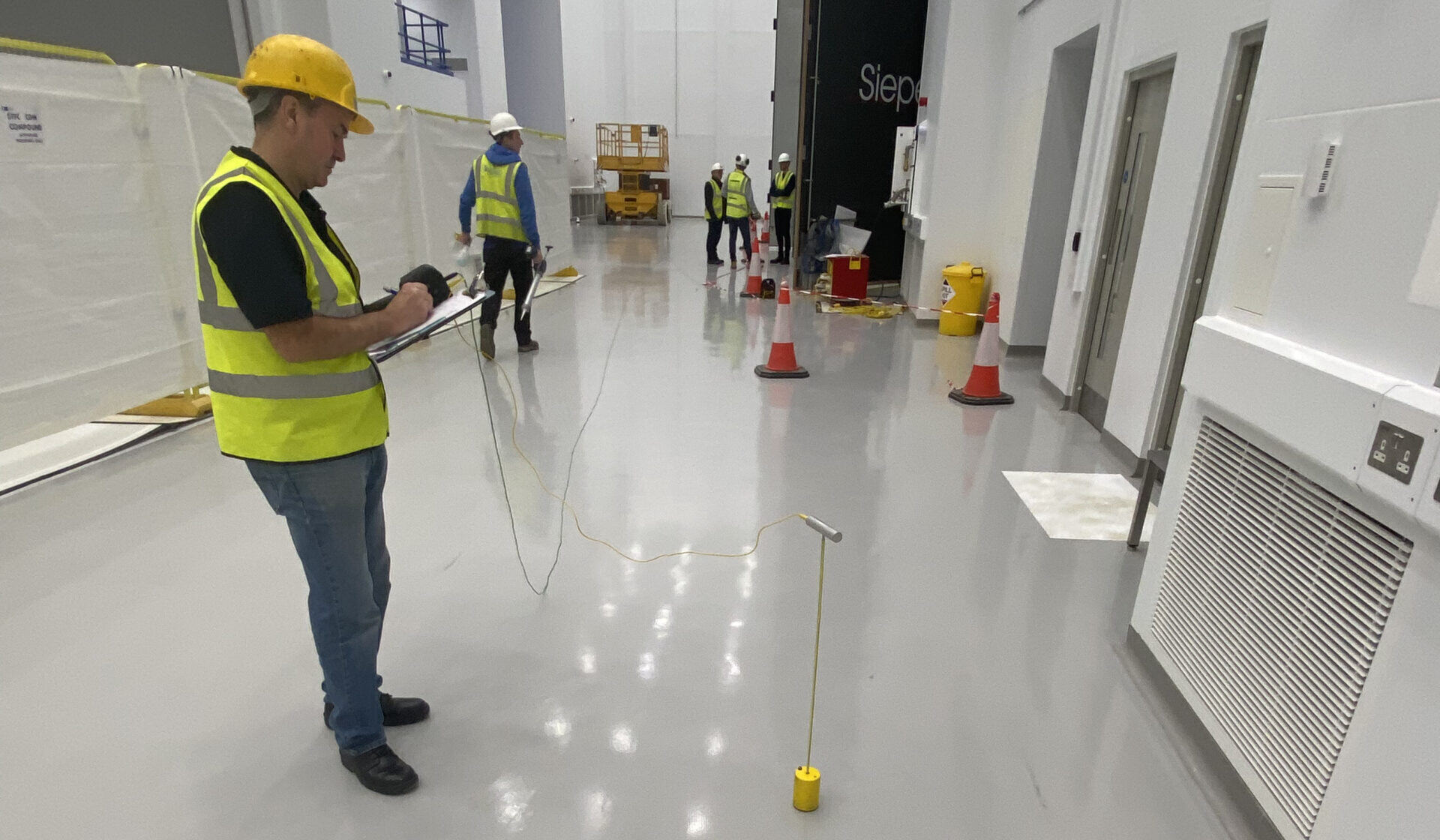

For contractors working in food production, healthcare or pharmaceutical environments, selecting the appropriate flooring is a critical decision that impacts compliance and safety, as well as operational longevity. Getting this decision wrong can lead to serious issues, including regulatory fines, costly shutdowns and even potential contamination risks.

This quick guide breaks down the core factors you must consider when specifying a hygienic flooring system to ensure the best results for your client.
Understanding the Need for Hygienic Flooring
Standard flooring materials like tiles or linoleum simply aren't suitable for environments where microbial growth is a risk and where seamless, impervious surfaces are mandatory for public health. Areas like commercial kitchens, food processing plants and hospital operating theatres require specialised finishes to meet stringent standards.
A true hygienic flooring system is defined by its ability to prevent the ingress of liquids, inhibit bacterial growth and withstand severe cleaning regimes. Unlike porous concrete or flooring with joints and grout lines, hygienic options create a continuous, non-porous surface. This seamless finish eliminates hidden crevices where dirt, bacteria and moisture can accumulate, making cleaning and sterilisation effective and efficient. When selecting materials, contractors must prioritise those certified to standards relevant to the sector, ensuring full compliance.
Key Performance Requirements for Food Hygiene Flooring
When dealing with food production, the flooring must satisfy the most demanding criteria, including resistance to harsh chemicals, thermal shock and constant abrasion. The flooring directly influences the safety of the final product and the site’s adherence to HACCP principles.
For food hygiene flooring, you need robust performance characteristics. These environments are subjected to:
- Chemical Attack: Exposure to strong acids, alkalis and sanitisers used during cleaning processes.
- Thermal Shock: Rapid and extreme temperature fluctuations caused by hot washes, steam cleaning or sudden cold spills.
- Impact and Abrasion: Heavy traffic from forklifts, dropped equipment and general operational wear.
The preferred choice in this sector is often a heavy-duty polyurethane or epoxy resin system. These materials provide exceptional durability and chemical resistance. Furthermore, installing coving (a seamless curve where the floor meets the wall) is non-negotiable in food preparation areas. This eliminates the 90-degree angle, preventing dirt and moisture traps and supporting the overall hygienic flooring system.
Specifying Hygienic Flooring for Healthcare Environments
Flooring specified for hospitals, clinics and laboratories must prioritise infection control, ease of decontamination and patient comfort. These environments demand materials that are quiet, seamless and chemically resistant. The requirements here are slightly different from food production, focusing heavily on patient safety and clinical standards.
The ideal healthcare flooring must meet several specific needs:
- Infection Control: Surfaces must be easy to clean and resist staining from blood, bodily fluids and pharmaceuticals. Epoxy and polyurethane resin floors are excellent as they are completely seamless and non-shedding.
- Acoustics: In wards and corridors, noise reduction is key to patient recovery. Polyurethane comfort flooring is often preferred for its sound-dampening properties.
- Slip Resistance: A crucial factor for patient and staff safety. The floor’s texture must provide adequate grip, especially in wet areas like washrooms and clinical sinks, without being too rough to prevent thorough cleaning.
Specifying a high-quality, long-lasting hygienic flooring system in a clinical environment is essential for maintaining CQC compliance and providing a safe, clean setting for patients.
Technical Considerations for Installation
The longevity and performance of any hygienic flooring system depend entirely on the quality of the substrate preparation and the precise application of the resin. Contractors must pay strict attention to technical details before application begins.
- Substrate Preparation: The existing concrete base must be clean, dry and structurally sound. Techniques like shot blasting or diamond grinding are necessary to achieve the required profile for the resin to bond properly.
- Moisture Control: Residual moisture in the concrete can cause the resin to fail. Vapour barriers or specialist primer systems must be used if the moisture content is too high.
- Curing Times: Epoxy and polyurethane systems require specific curing times before they can handle traffic or chemical exposure. This must be factored into the project schedule to prevent premature wear.
By following best practice in installation, contractors can ensure that the specified food hygiene flooring or clinical system performs reliably for many years, offering the client the durability and compliance they require.
Partnering for Performance
Choosing the right hygienic flooring system is a complex decision requiring a detailed understanding of both regulatory requirements and material science. Whether your project involves high-performance food hygiene flooring or specialised healthcare flooring, prioritising seamlessness, chemical resistance and ease of cleaning is paramount.
Partner With Experts to Deliver High-Performance Hygienic Systems
By partnering with specialist suppliers, like our team here at Central Flooring Services, and adhering to strict installation standards, contractors can confidently deliver systems that protect public health, ensure regulatory compliance and provide long-term value to their clients. Get in touch with a member of our team today.
Image Source: Envato

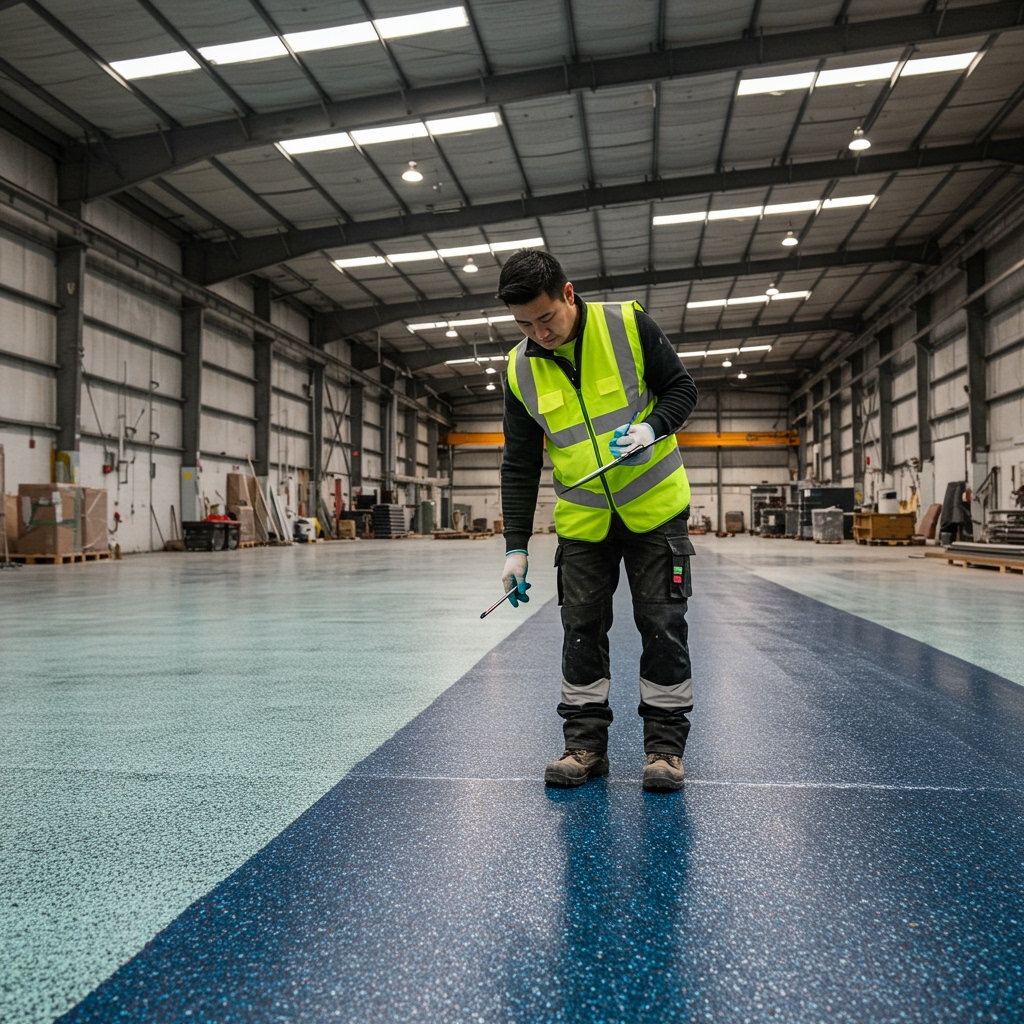
Choosing the Right Resin Flooring Contractors for Food & Beverage Facilities
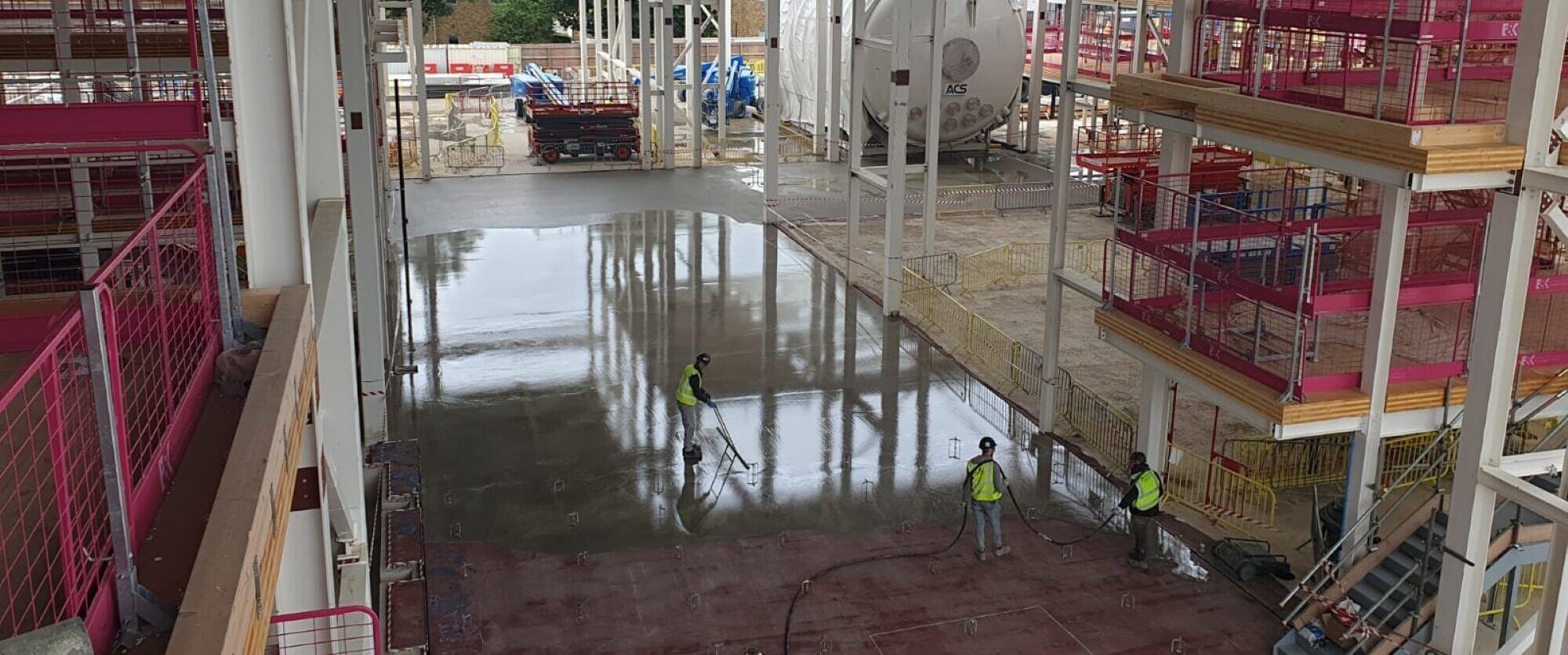
7 Things To Look For In An Industrial Resin Flooring Contractor